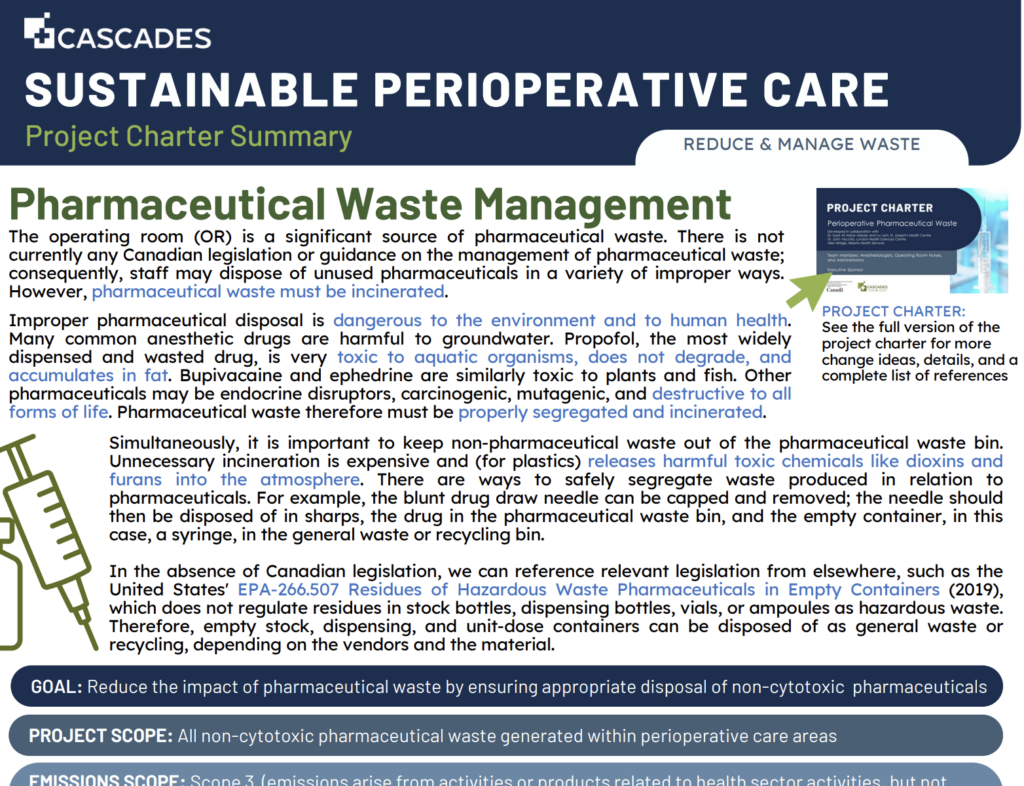
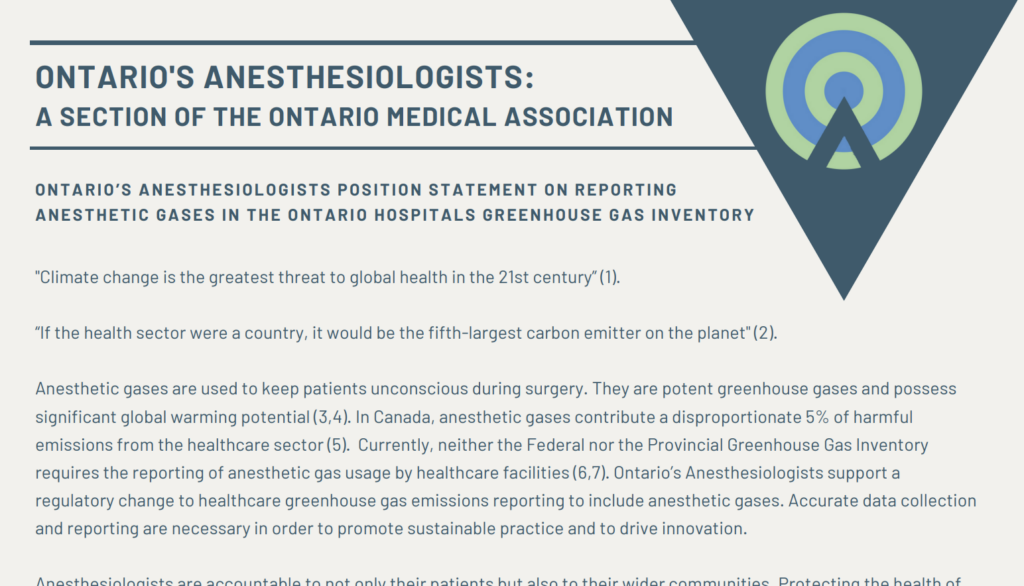
Introduction
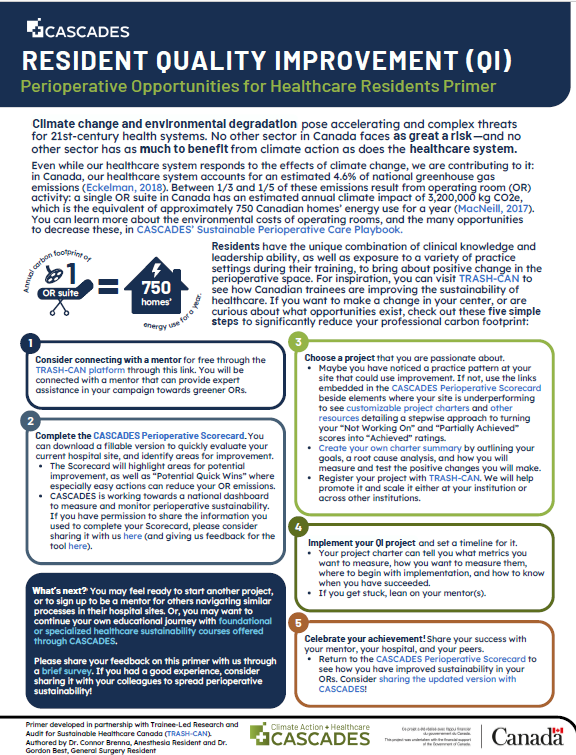
Perioperative care plays a vital role in healthcare delivery, yet it is also a notable source of environmental impact. Unnecessary interventions, high-emission anesthetic gases, reliance on single-use devices, and poor waste management all increase the carbon footprint of surgical care. Reducing avoidable interventions and lowering the environmental impact of necessary care can improve both system efficiency and patient outcomes while supporting climate resilience.
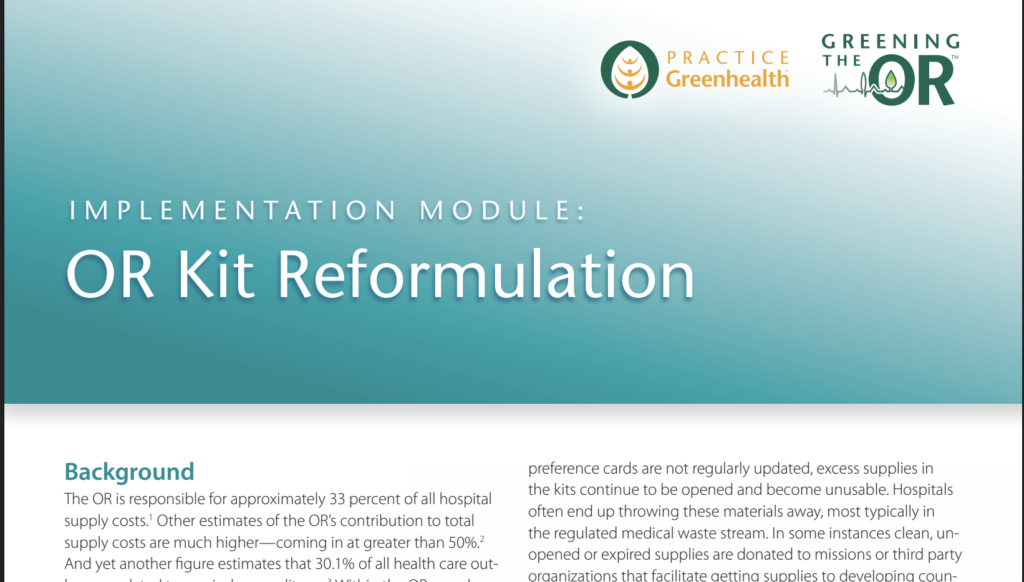
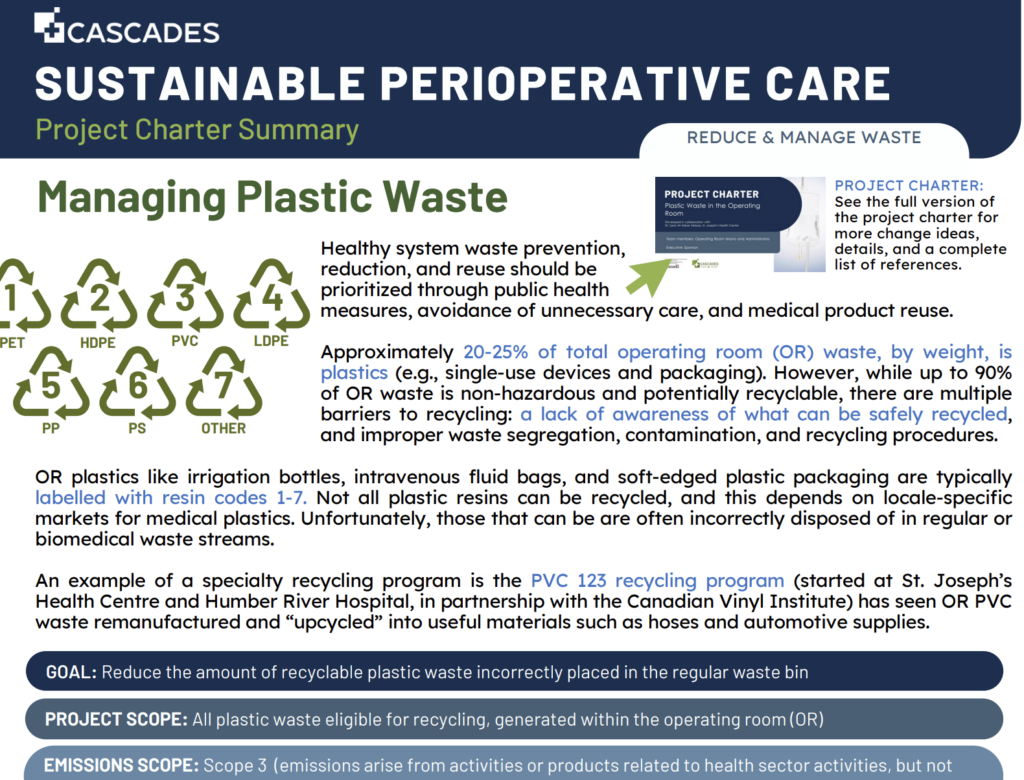
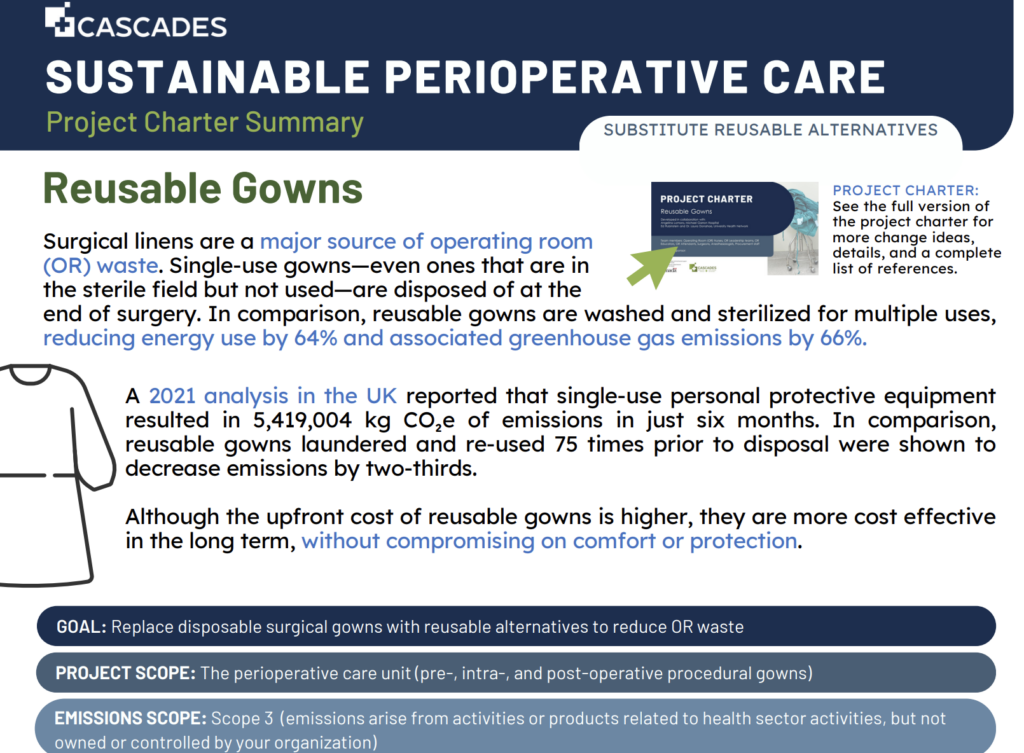
Opportunities for more sustainable perioperative care generally fall into four key areas. Minimizing unnecessary care, such as low-value tests or procedures, can reduce emissions and costs without compromising outcomes. Addressing direct emissions, particularly through more sustainable anesthesia practices, offers significant potential for carbon reduction. Transitioning from single-use items to safe, reusable alternatives can decrease waste generation and resource use. Finally, improving waste segregation and management ensures that materials are processed appropriately minimizes resource-intensive processing and avoids unnecessary environmental burden.
Advancing sustainability in perioperative settings requires thoughtful implementation. Education and awareness help drive behavior change, while supportive infrastructure and procurement practices make sustainable choices more accessible. Integrating these efforts into clinical workflows and aligning them with evidence-based standards can enable meaningful, lasting improvements.
Playbook: Sustainable Perioperative Care
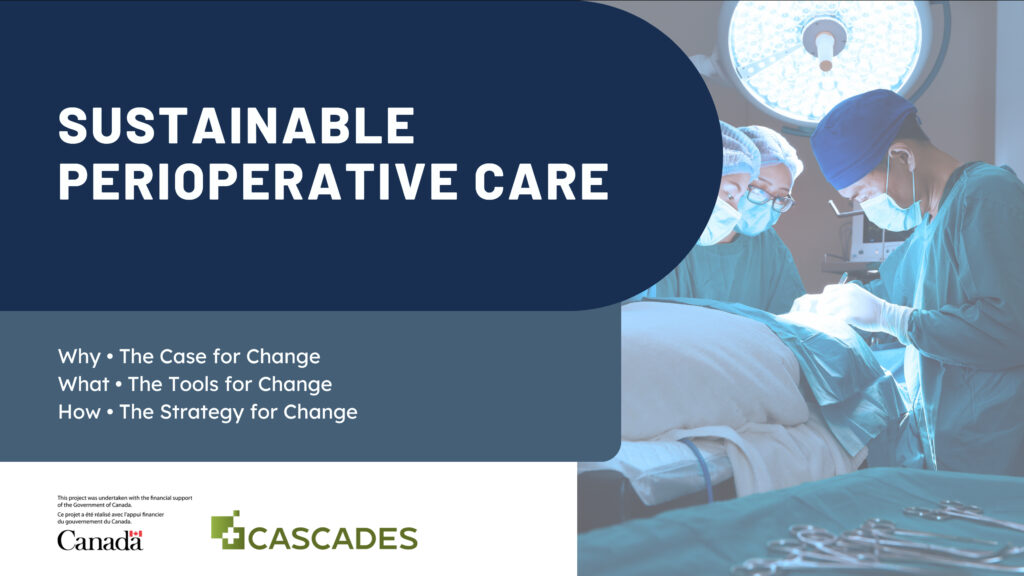
Suggested Citation:
Simms N, Devitt K, Irani C, Khan N, Meng F. Sustainable Perioperative Care. Version 1.1. [Internet]. CASCADES; 2023 [cited DATE]. Available from: https://
Playbook: Regional Anesthesia in Breast Surgery
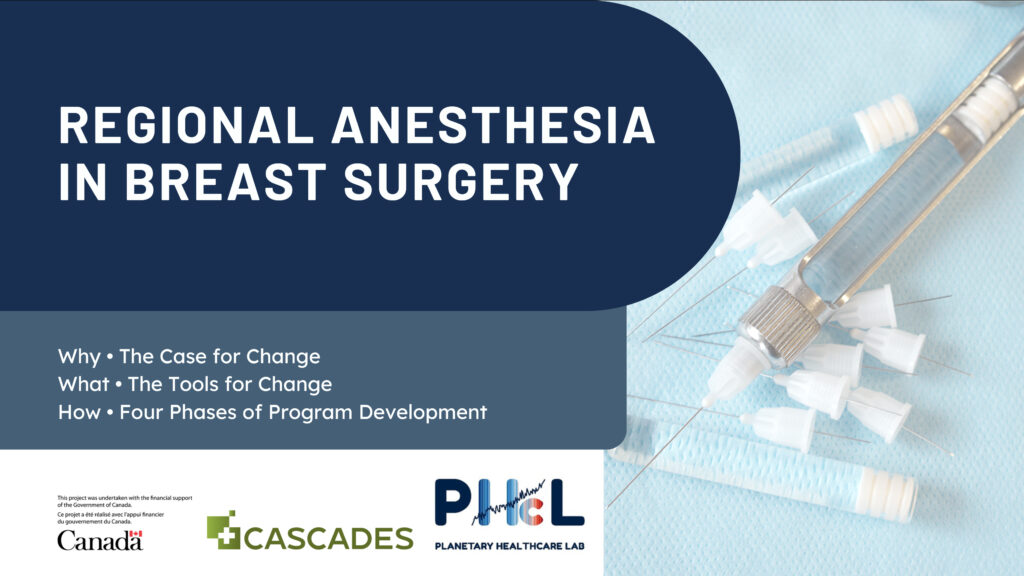
Suggested Citation:
MacNeill, A, McAtee, A. Sustainable Anesthesia for Breast Surgery. Version 1.1. [Internet]. CASCADES; 2023 [cited DATE]. Available from: https://cascadescanada.ca/.
Get Involved
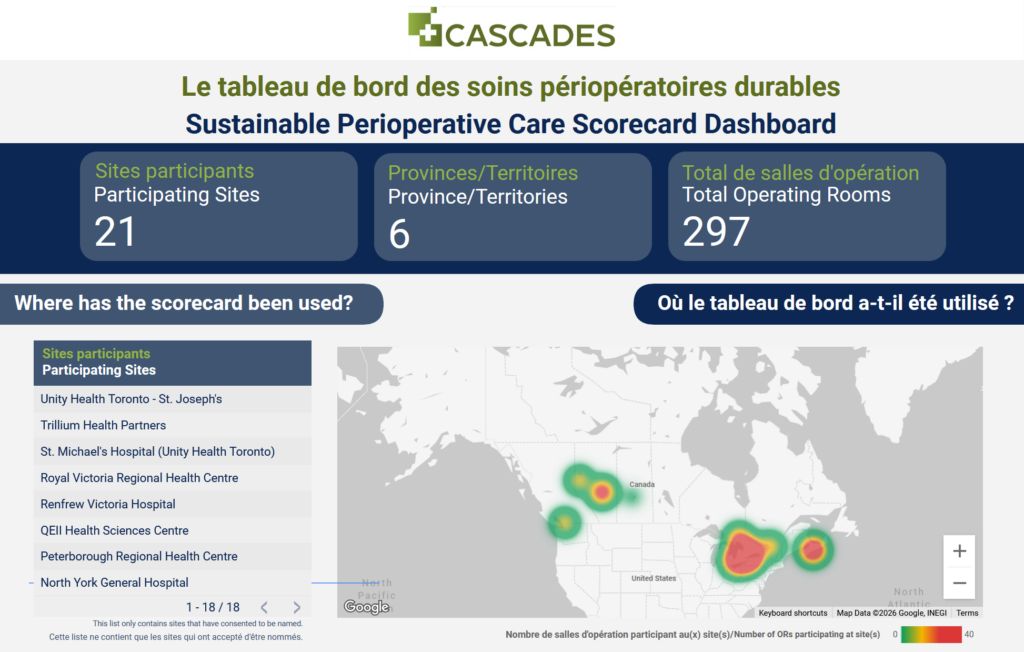
Dashboard: Sustainable Perioperative Care Dashboard
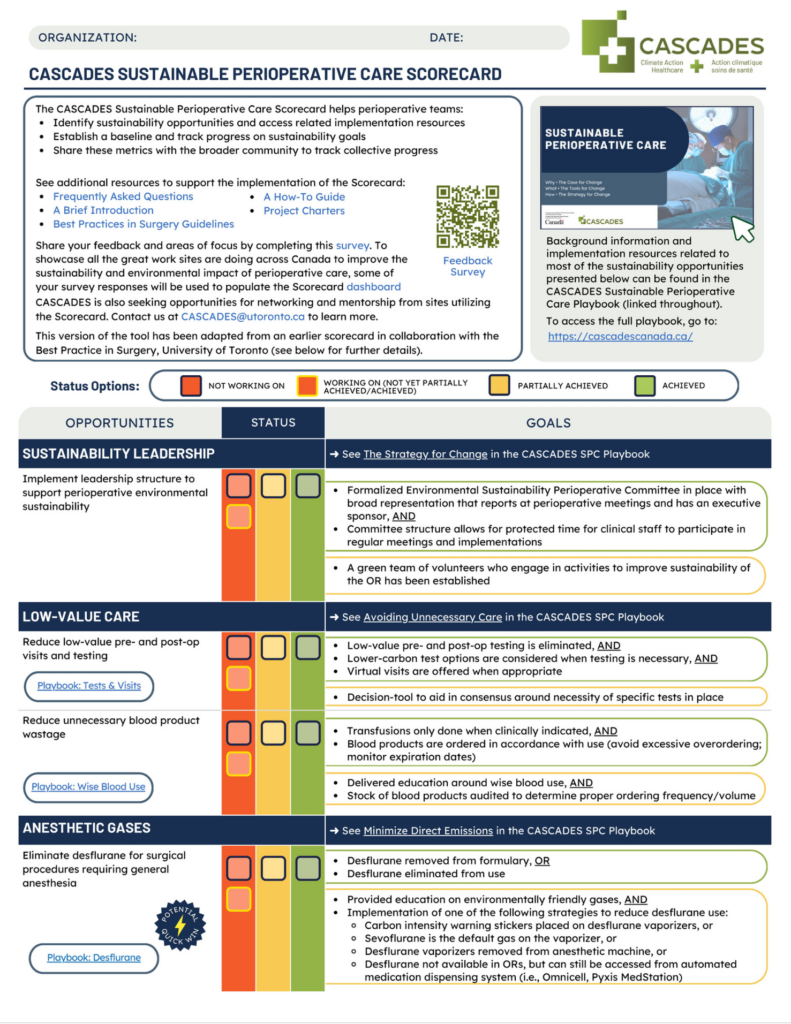
Scorecard: Sustainable Perioperative Care Scorecard
Supporting Resources

CASCADES Quality Improvement
CASCADES

Unseen Vectors & the Sterile Truth: Rethinking Infection Control for the Anesthesiologist
Ontario’s Anesthesiologists
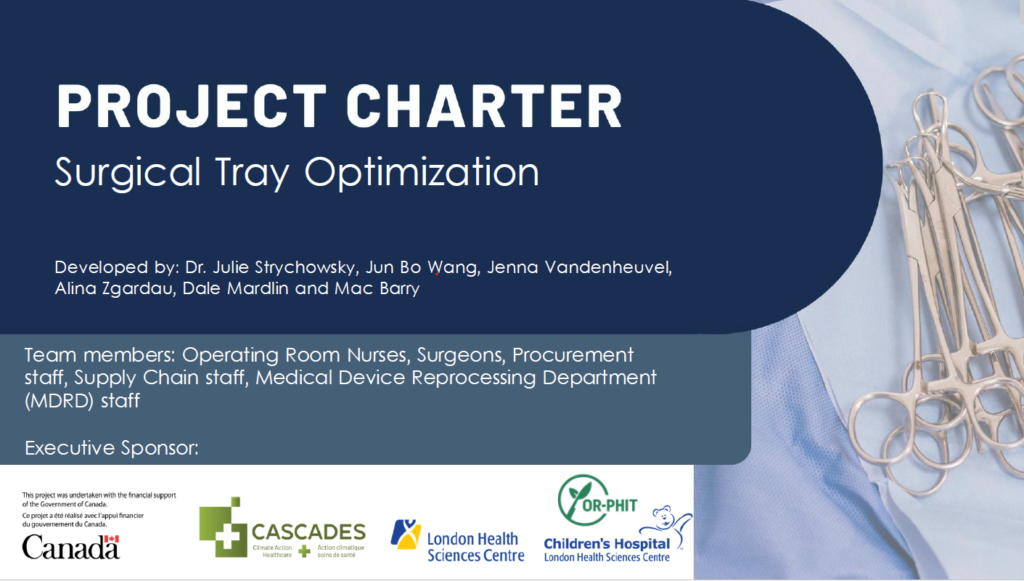
Surgical Tray Optimization
CASCADES