Introduction
Metered-dose inhalers (MDIs) are common medical devices used to deliver inhaled medication, typically for individuals with asthma and/or chronic obstructive pulmonary disease (COPD). These devices, which are pressurized and rely on liquefied-gas propellants to atomize medication for inhalation delivery, emit hydrofluorocarbons (HFCs) with significant global warming potential (GWP). There are many ways to reduce the climate impacts of inhalers while ensuring patients receive the medication they need; in fact, attending to climate considerations in inhaler prescribing often presents opportunities to improve the quality of care.
All inhalers have environmental impacts that go beyond GHG emissions from propellants including the depletion and destruction of natural resources. Best practices for diagnosing, managing, and monitoring patients’ respiratory conditions can reduce unnecessary inhaler prescription and, subsequently, the environmental impact associated with their use.
When it comes to selecting an inhaler, it is important to note that the carbon footprint of MDIs is much higher than that of dry powder inhalers (DPIs), which do not use a propellant to deliver the medication. Where clinically appropriate and aligned with patient preference, DPIs offer a more climate friendly alternative.
Regardless of inhaler type, adequate and ongoing patient training on inhaler technique and usage is a key part of reducing their environmental impacts. The majority (95-98%) of propellant emissions from MDIs occur at the user phase. This typically involves poor synchronization of actuation with inhalation. Better technique
Improper MDI disposal contributes to medication wastage and increases the risk of MDI residual propellant release into the atmosphere. Once fully used, MDOs can be recycled or incinerated. Plastic and aluminum in each device can be recycled at designated pharmacies. MDI incineration causes the thermal degradation of HFC chemicals.
Playbook: Climate Conscious Inhaler Practices in Inpatient Care
Suggested Citation:
Stoynova V, Culley C. Climate Conscious Inhaler Practices in Inpatient Care. Version 1.0. [Internet]. CASCADES; 2023 [cited DATE]. Available from: https://cascadescanada.ca/.
Playbook: Climate Conscious Inhaler Prescribing in Outpatient Care
Suggested Citation:
Green S, Bursque G, Chang B, Khan N, Miller FA, Wilson J, Wintemute K. Climate conscious inhaler prescribing in outpatient care. Version 3.0. [Internet]: CASCADES; 2023 [cited DATE]. Available from: https://cascadescanada.ca/.
Website: Inhaler Guide: A clinical guide to inhalers in Canada
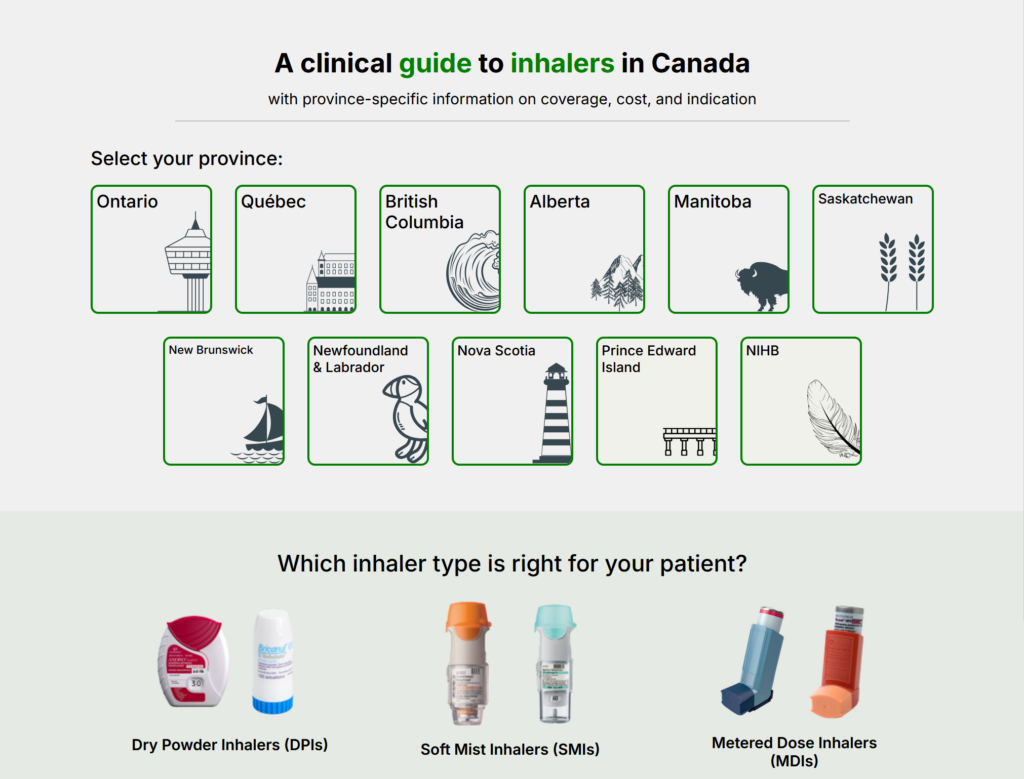
An interactive web tool including province-specific information on coverage, cost, and indication.
Supporting Resources
The Lung Toolkit
eHealth Knowledge Translation Research Group

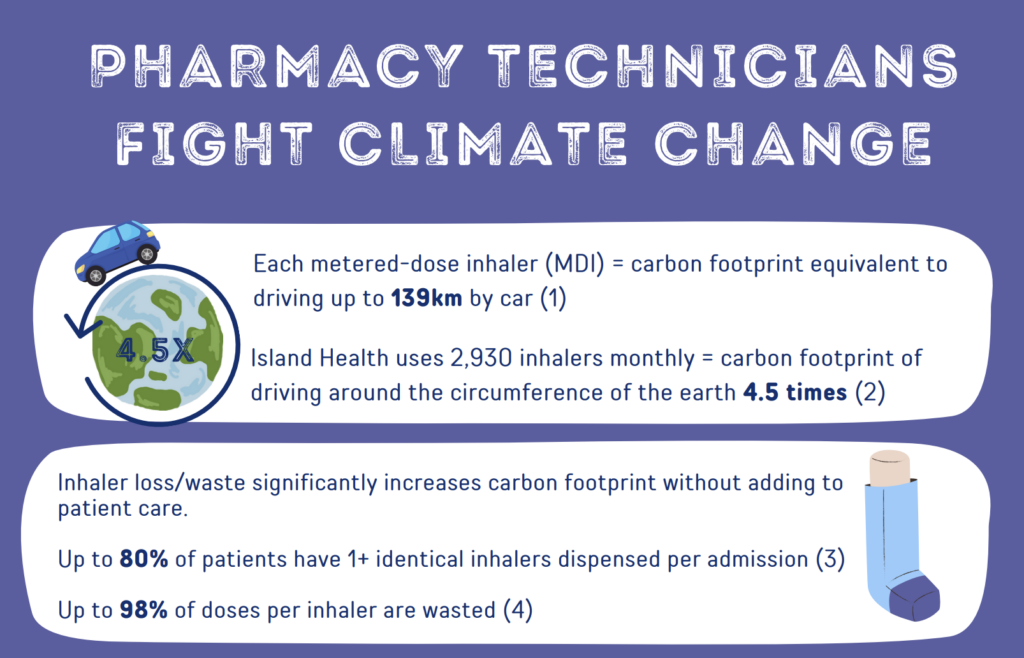


Inpatient provider-specific information: Respiratory Therapists poster
Critical Air Project