Introduction
Primary care sits at the centre of health system demand, where clinical decisions around prescribing, investigation, and follow-up significantly shape resource use and environmental impact. A substantial proportion of care delivered in this setting offers limited clinical benefit while contributing to overdiagnosis, patient harm, and avoidable system strain. Climate change is simultaneously increasing primary care demand through worsening air quality, wildfire smoke exposure, climate-sensitive infections, and mental health effects, while extreme weather events disrupt access to services and deepen health inequities. These pressures position primary care as a critical lever for both mitigation and adaptation.
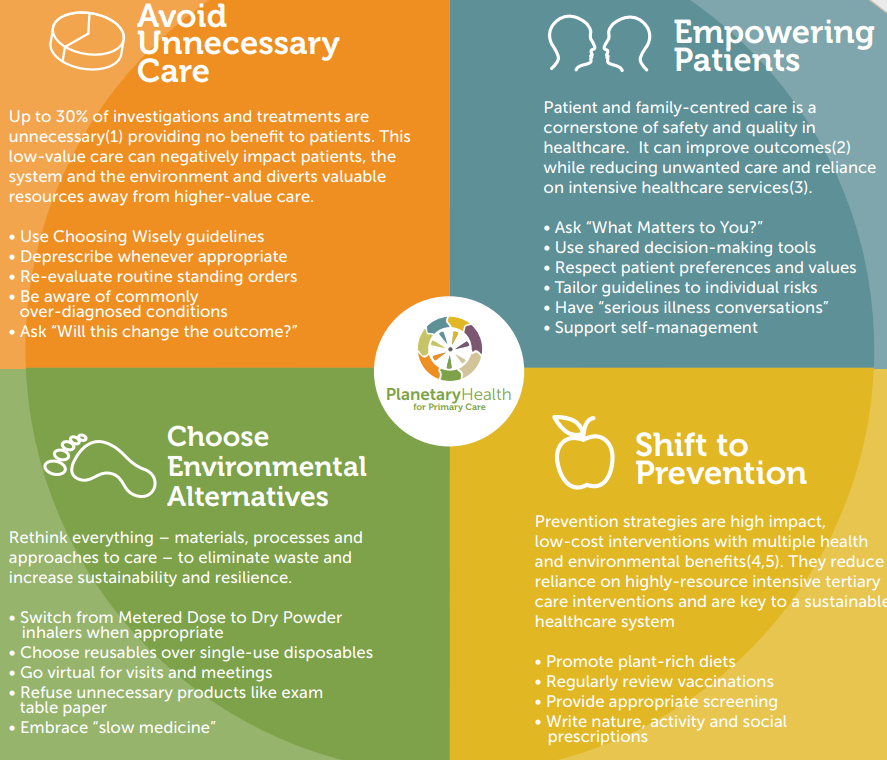
Sustainable primary care is grounded in reducing unnecessary care, empowering patients, prioritizing prevention, and selecting lower-impact alternatives. Key approaches include reducing overtesting and overprescribing, addressing diagnostic creep, supporting deprescribing and antimicrobial stewardship, and using shared decision-making to avoid medicalization of normal human experience. Expanding non-pharmacologic care and virtual models can reduce travel and resource use. Clinic-level changes such as reducing single-use materials, rethinking infection control practices, and optimizing laboratory and prescribing practices further reduce environmental burden.
Sustainable transformation requires embedding planetary health into everyday primary care practice. Integrating Choosing Wisely principles, strengthening team-based longitudinal care, and improving information sharing can reduce duplication and low-value care. Coordinated action across clinicians, health systems, and policymakers is essential to deliver high-value, low-carbon care that improves outcomes and system resilience.
Tool: Planetary Health for Primary Care
Suggested Citation:
This document was authored by Dr. Ilona Hale and proudly supported by the East Kootenay Division of Family Practice and CASCADES Canada, a Government of Canada initiative.
Supporting Resources
Case-Based Module: Planetary Health for Family Medicine Residents and Teachers – Applying a planetary health lens to clinical encounters
Temerty Faculty of Medicine, DFCM, University of Toronto
Planetary Health for Family Medicine Residents and Teachers
Temerty Faculty of Medicine, DFCM, University of Toronto
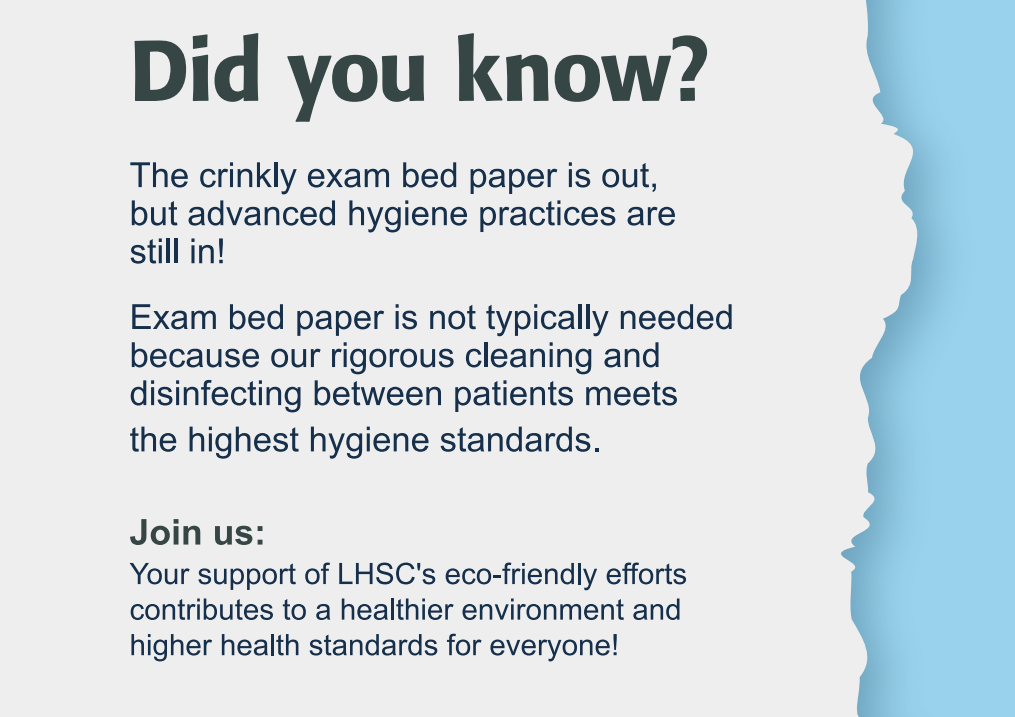
Exam Room Wall Poster
London Health Sciences Centre

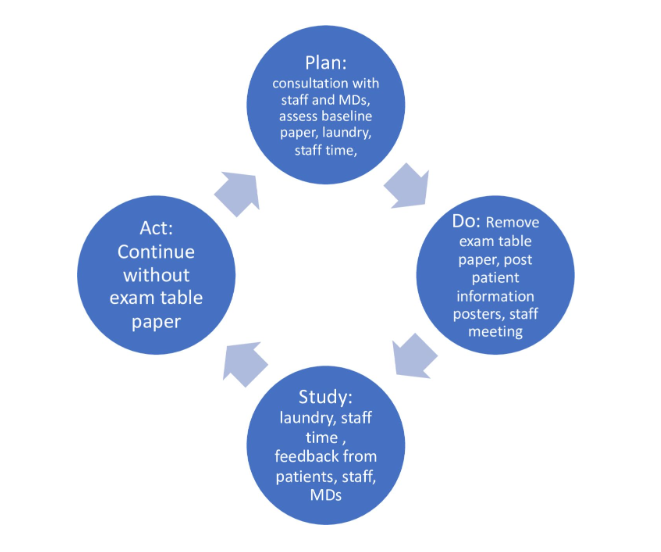
Go Green, Cut the Paper: Eliminating Exam Table Paper
London Health Sciences Centre