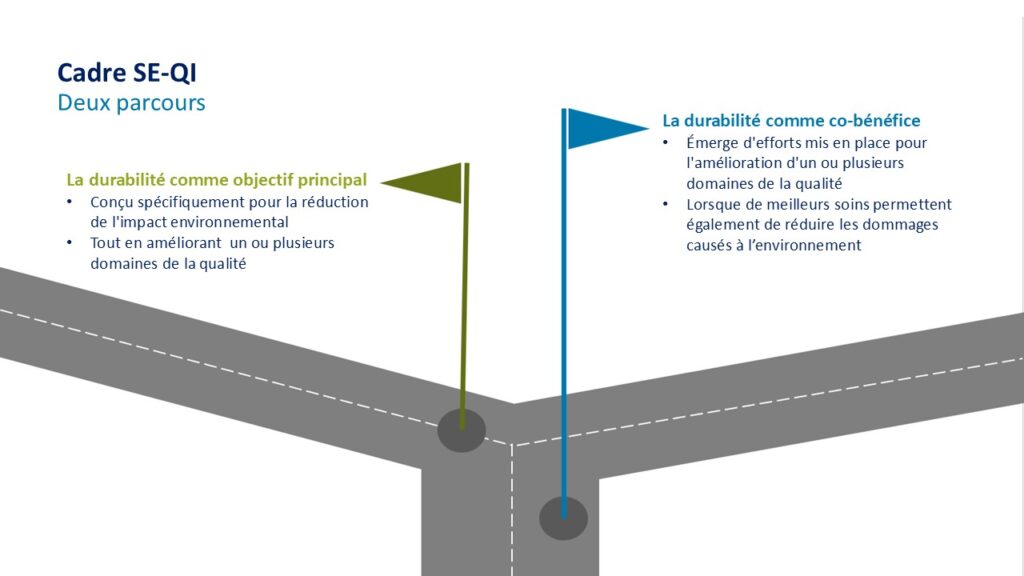
Cette charte peut être utilisée comme ressource autonome ou en complément des modèles organisationnels existants. Il s’agit d’un outil structuré qui s’appuie sur le Modèle d’amélioration en intégrant des incitations à la durabilité dans les composantes standard d’une charte de projet. Elle suit l’approche SE-QI, qui intègre la durabilité dans les étapes et les structures existantes d’amélioration de la qualité, plutôt que de l’ajouter comme un processus distinct. Des rappels sont intégrés dans les éléments clés tels que la portée, la définition du problème et la planification des mesures. Chaque diapositive comprend également des notes d’accompagnement avec des conseils supplémentaires pour chaque étape.
Lancée à l’automne 2023 en collaboration avec le Réseau d’Action pour la Santé Durable du Québec (RASDQ), l’Association québécoise des médecins pour l’environnement (AQME), Synergie Santé Environnement (SSE) et CASCADES, et avec le soutien de l’Association des médecins d’urgence du Québec (AMUQ) et de Choisir avec soin, la campagne « Les Gants, pas tout le temps » vise à sensibiliser le personnel de la santé à l’utilisation appropriée des gants, telle que proposée par l’OMS dans la fiche d’information sur l’utilisation des gants.
L’infirmière responsable de la prévention et du contrôle des infections ainsi que deux formateurs cliniques principaux du Great Ormond Street Hospital NHS Foundation Trust (GOSH) ont abordé la question de la surutilisation des gants non stériles par le biais de l’éducation et de la formation. Cela a permis d’améliorer la sécurité et l’expérience des patients, et le personnel suit désormais des pratiques fondées sur des données probantes plutôt que de porter des gants par habitude.
Ecovamed publie une première étude comparative sur l’empreinte carbone des gants en nitrile en fonction du pays de production, et la corrélation avec son label environnemental d’origine
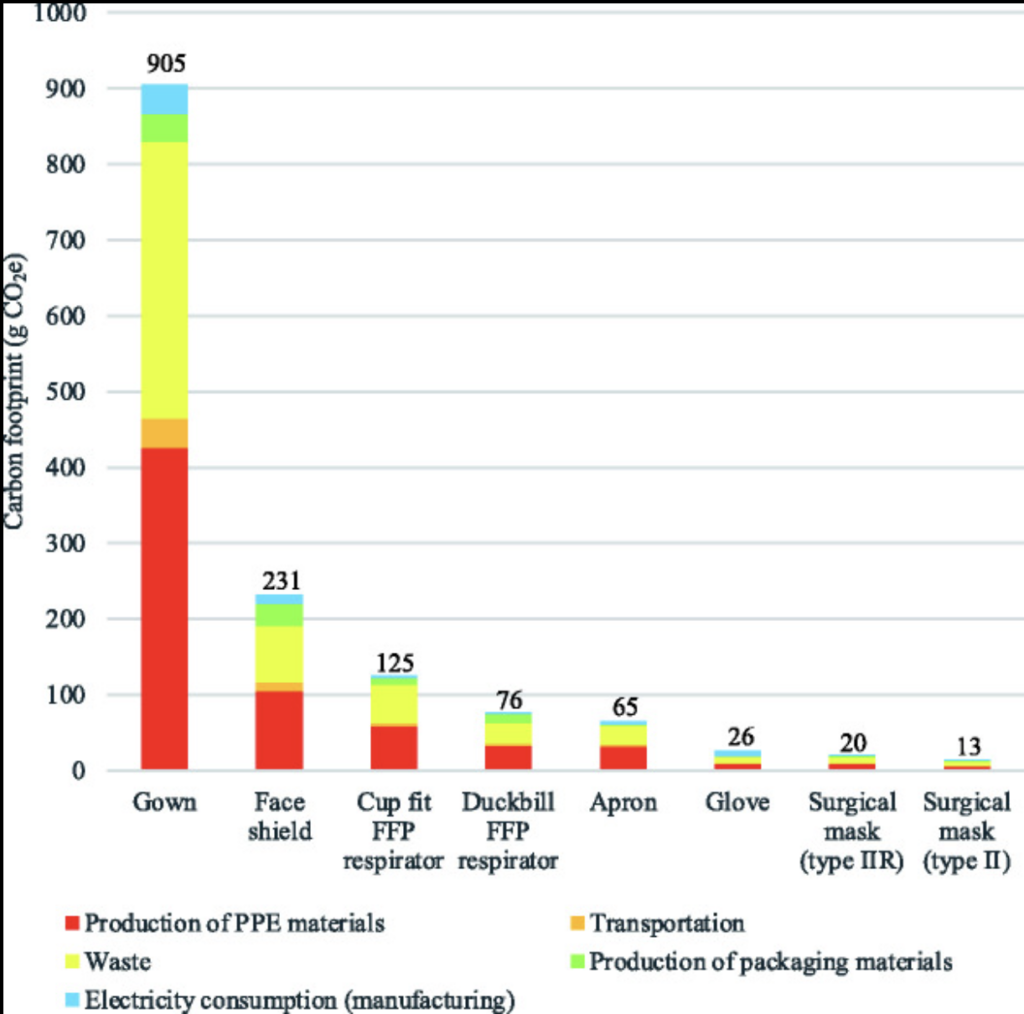
L’impact environnemental des EPI est important et pourrait être réduit grâce à la fabrication locale, à la limitation de l’utilisation des gants, à l’utilisation de produits réutilisables lorsque cela est possible et à l’optimisation de la gestion des déchets.
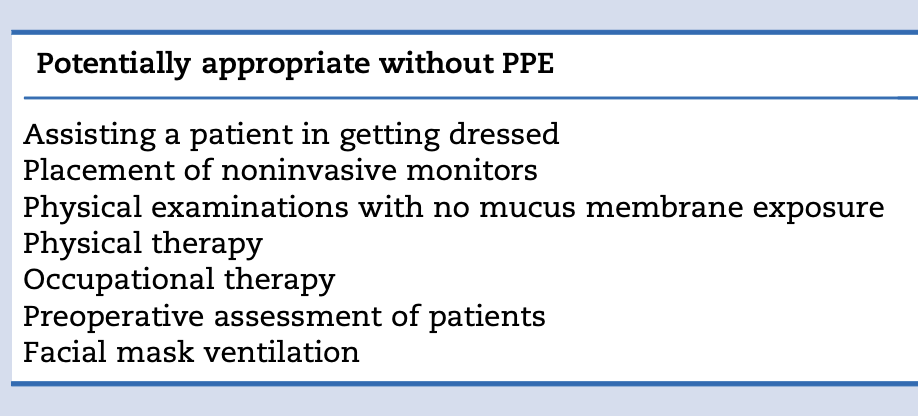
Par conséquent, dans les contextes où l’on utilise fréquemment des instruments tranchants, où il y a des plaies ouvertes et une exposition des muqueuses, le port de gants d’examen devrait être obligatoire. Dans les cas où la plupart des agents pathogènes ne peuvent pas être transmis par la peau intacte, où la procédure n’est pas considérée comme un risque d’exposition et où les défenses naturelles constituent une barrière adéquate contre les maladies transmissibles, l’hygiène des mains pourrait constituer une considération adéquate et plus éthique pour l’utilisation. Nous avons illustré quelques exemples pour aider les lecteurs à déterminer quand il est approprié de retirer les gants pour une procédure et quand cela ne l’est pas.
Nous estimons les effets de rebond directs et indirects résultant des améliorations en matière d’efficacité énergétique réalisées par les ménages britanniques. Nous tenons compte du coût d’investissement de l’amélioration, ainsi que des émissions incorporées dans l’équipement concerné. Nous constatons que les effets de rebond sont relativement modestes, de l’ordre de 5 à 15 %. La transition prévue vers un système électrique à faibles émissions de carbone entraînera des effets de rebond plus importants.
Cette trousse aidera les individus et les équipes à intégrer la durabilité environnementale dans les initiatives d’amélioration de la qualité (AQ) et à envisager comment ajuster, mesurer et rendre compte de ces impacts.